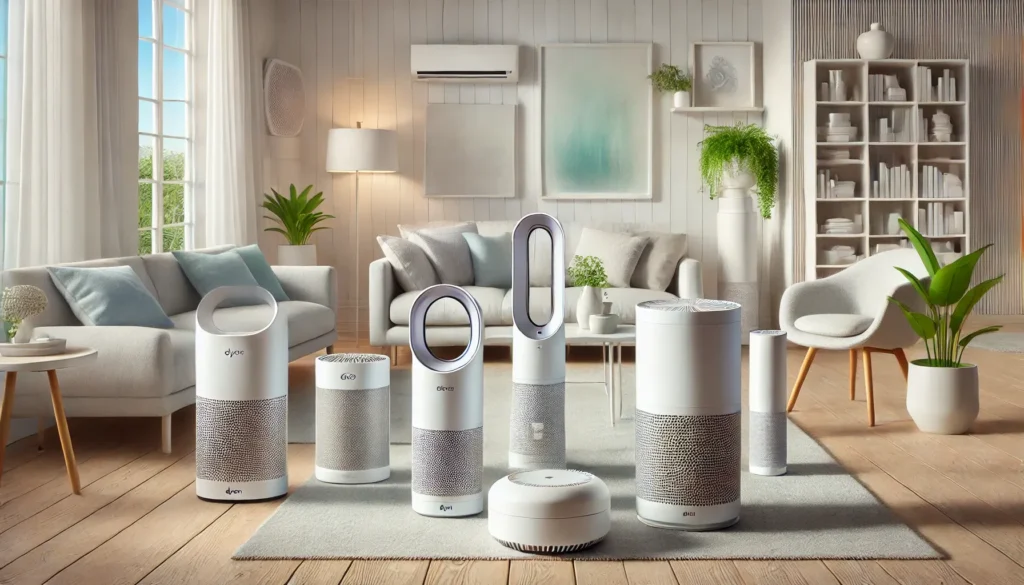
Best air purifier shopping can feel confusing in the UK, because the right choice depends more on room size, filter costs, and noise than on brand hype.
If you want the best air purifier for your space, the key is matching filtration and running costs to your room and routine.
Best air purifier shopping can feel strangely confusing, because the “best” option depends less on brand hype and more on room size, filter costs, and how you actually live. If you’re in a UK flat with a small kitchen, limited storage, and a busy routine, you need something simple: easy controls, low fuss cleaning, and filters you won’t hate buying again.
In this guide, I’ll cut through the noise and focus on what matters in real UK homes: clearing everyday dust, helping with allergens, taking the edge off smoke and cooking odours, and doing it without sounding like a jet engine. If you’re also upgrading your kitchen setup, you might like our space-saving round-up here: best kitchen gadgets for small flats.
Best air purifier quick picks for UK homes
In most UK homes, the best air purifier is the one you’ll actually run every day: quiet on low speed, easy filters, and the right size for the room.
If you want fast direction, start here.
- Best for small rooms and bedrooms: Blueair Blue Pure 411i Max
- Best balanced choice for most homes: Philips Series 2000i
- Best value for filtration on a budget: Winix Zero Pro
Comparison table for our top air purifiers
Here’s a quick, practical snapshot before we go deeper.
| Model | Best for | Filter type | Smart features | Noise notes | Replacement filters |
|---|---|---|---|---|---|
| Blueair Blue Pure 411i Max | Bedrooms, small rooms | Particle + carbon (Not stated) | App (model dependent) | Good for sleep in lower modes | Ongoing cost, check price |
| Philips Series 2000i | All-round home use | HEPA + carbon (varies by model) | App (model dependent) | Quiet modes available | Widely available in UK |
| Winix Zero Pro | Value and odours | HEPA + carbon + pre-filter | Limited (model dependent) | Can be noticeable on turbo | Filters can be bulky |
| Levoit Core 300S | Budget smart pick | HEPA-style or HEPA (varies) | App and automation | Generally quiet in sleep | Usually affordable |
| Xiaomi Smart Air Purifier 4 | Smart features for less | HEPA-style or HEPA (varies) | App, schedules | Good low-speed comfort | Check genuine filters |
| IKEA STARKVIND | Discreet, furniture-friendly | Particle filter + carbon option | Basic or smart hub | Designed for living spaces | Easy to buy from IKEA |
| Dyson Purifier Cool | Premium fan plus purifier | HEPA + carbon (manufacturer states HEPA H13 on current models) | App, sensors | Fan noise depends on speed | Premium filter prices |
| Dyson Purifier Hot plus Cool | Heating plus cooling airflow | HEPA + carbon (manufacturer states HEPA H13 on current models) | App, sensors | Heater and fan noise varies | Premium filter prices |
Specs and naming can vary slightly by retailer and year. If a spec isn’t clearly stated by the manufacturer or retailer, it’s marked as Not stated.
What an air purifier can and cannot do
An air purifier is best at continuously filtering airborne particles, which can include dust, pollen, pet dander, and some smoke-related particles. Many models also use activated carbon to reduce odours and certain gases, which is handy in UK kitchens where cooking smells hang around, especially in winter when windows stay shut.
What it won’t do:
- It won’t “deep clean” the room if you never run it. Consistency matters.
- It won’t fix damp or condensation by itself. For moisture problems, look at a proper dehumidifier: [Internal link: best dehumidifier uk 2026.
- It won’t replace ventilation. Extractor fans, cracked windows, and good airflow still matter.
Think of it as a reliable helper, not a magic wand.
For ventilation-first advice in UK homes, the UKHSA guidance on improving indoor air quality is a helpful starting point: UKHSA Indoor Air Quality Guidance.
How we chose these models
This is a research-based selection, not hands-on testing. The goal is to shortlist options that match UK buying intent and real-life constraints.
We prioritised:
- Practical sizing: models commonly used in bedrooms, living rooms, and open-plan kitchen-living areas
- Filter availability: easy-to-find replacement filters through UK retailers
- Noise management: sleep modes and sensible low-speed performance
- Controls that work: clear displays, timers, app scheduling where it genuinely helps
- Total cost of ownership: not just the upfront price, but filter replacement and energy use
If you’re building a healthier home setup overall, pairing better air routines with good kitchen habits can help too. For example, batch cooking can reduce daily frying and smoke spikes: [Internal link: /meal-prep-for-beginners-uk/]
We also prioritised models that are strong contenders for the best air purifier shortlist based on filter access and day-to-day usability in the UK.
Best air purifier buying guide for UK flats
Best air purifier choices get much easier when you match the machine to your space and your habits.
Room size and placement in a kitchen or open plan space
Start with where you’ll actually use it most: bedroom, living room, or that open-plan kitchen-living area where smells and steam drift.
Simple placement rules:
- Keep it away from walls and curtains so it can pull air in properly.
- Don’t hide it under a worktop or behind a sofa.
- In kitchens, place it a few metres away from the hob so it isn’t constantly hit with greasy steam.
If your home is compact, you’ll also want something that doesn’t feel like clutter. That’s the same thinking we use for small-space cooking appliances too, see our guide to the best air fryer in the UK
Filters that matter HEPA and carbon
For most households, the most useful combo is:
- A particle filter (often HEPA or HEPA-style) for dust and allergens
- Activated carbon for odours and some fumes
A washable pre-filter can be a big win because it catches larger bits (hair, fluff) and helps the main filter last longer.
A quick reality check: “HEPA-style” isn’t automatically bad, but it’s not identical to certified HEPA. If allergies are a top concern, lean towards models that clearly state HEPA performance or have a strong track record for filtration.
Noise and night mode for bedrooms
Noise is the hidden deal-breaker. A powerful purifier that annoys you at night will end up switched off.
Look for:
- A real sleep mode that dims lights
- Multiple low settings you can live with
- A steady sound profile (some people hate high-pitched fan noise)
If you’re also fighting household dust, don’t ignore the basics. A decent vacuum routine plus filtration is usually more effective than either alone: [Internal link: /best-cordless-vacuum-uk-2026/]
Running costs and filter replacement reality
Upfront cost is only half the story. In the UK, filters are a recurring expense, and they can vary a lot by brand and availability. The best air purifier isn’t always the cheapest to buy, but it should be predictable to run, with filters you can replace without hunting around.
Before you buy, check:
- Typical replacement interval (often every 6–12 months, depending on use)
- Filter price and whether it’s easy to get from UK retailers
- Whether the unit nags you with a timer, or uses sensors to estimate filter life
If you want predictable costs, choose a popular model with readily available filters, rather than something obscure that forces you into pricey imports.
Top picks reviewed in detail
Below are the stand-out options for different budgets and home setups.
Blueair Blue Pure 411i Max
Best for: small rooms and bedrooms where quiet matters
Why it made the list: It’s a popular pick for smaller spaces, and it’s designed to be easy to live with day to day.
Pros
- Great for compact rooms and flats
- Straightforward controls and set-and-forget running
- Doesn’t dominate a bedroom visually
Cons
- Filter replacements are an ongoing cost
- Not ideal if you need heavy-duty odour control in a large kitchen
Key specs
- Filter: Not stated (particle + carbon performance varies by filter type)
- Smart controls: Not stated (model dependent)
- Oscillation: Not stated
- Heater: No
Who it’s for
- People who want cleaner-feeling air in a bedroom
- Light allergy seasons and everyday dust in small spaces
Who it’s not for
- Big open-plan areas with strong cooking odours
- Homes where smoke is a regular issue
Alternatives
- Levoit Core 300S for a budget-friendly smart option
- IKEA STARKVIND for a more discreet living-room approach
Philips Series 2000i
Best for: a balanced, reliable choice for most UK households
Philips has long been a go-to for home air filtration, and the Series 2000i range often hits a sweet spot: sensible performance, decent availability, and a design that suits everyday living.
Pros
- Strong all-rounder for living rooms and medium spaces
- Filters are usually easy to find in the UK
- Useful auto modes for hands-off use
Cons
- Replacement filters can be pricey compared with budget brands
- App features vary depending on exact model and year
Key specs
- Filter: HEPA + carbon (varies by model)
- Smart controls: App (model dependent)
- Air quality sensor: Not stated (model dependent)
- Display dimming: Not stated
Who it’s for
- Anyone who wants one purifier to cover daily dust and seasonal allergens
- Homes with occasional cooking odours, not constant heavy smoke
Who it’s not for
- Buyers who want the cheapest filters possible
- People who need a fan or heater combo unit
Alternatives
- Winix Zero Pro if you want strong filtration value
- Xiaomi Smart Air Purifier 4 if you want smart scheduling for less
Winix Zero Pro
Best for: value-focused filtration with decent odour control
Winix models are often chosen by people who want a lot of filtering for the money, including a proper carbon stage and a pre-filter to catch the bigger stuff.
Pros
- Strong value for the filtration you get
- Carbon stage helps with everyday cooking smells
- Pre-filter can reduce how quickly main filters clog
Cons
- Bulkier than some sleek “designer” models
- Turbo modes can be loud
Key specs
- Filter: HEPA + carbon + pre-filter
- Smart controls: Not stated (varies by model)
- Auto mode: Not stated
- Night mode: Not stated
Who it’s for
- Flats and houses that want noticeable filtration without paying premium prices
- People who cook often and want odours reduced, not just masked
Who it’s not for
- Noise-sensitive sleepers if the unit must sit near the bed
- Anyone wanting a very compact footprint
Alternatives
- Philips Series 2000i for a more “polished” all-round experience
- Levoit Core 300S for a lighter, app-driven option
Levoit Core 300S
Best for: budget buyers who still want smart scheduling
Levoit is popular because it tends to deliver good everyday performance without the premium pricing, and the “S” models add app control that’s actually useful for routines.
Pros
- Typically good value and easy to use
- Handy scheduling for busy households
- Often a compact choice for bedrooms and small living rooms
Cons
- Filter type wording can vary by listing, so check carefully
- Not the strongest pick for large open-plan spaces
Key specs
- Filter: HEPA-style or HEPA (varies by model and region)
- Smart controls: App, schedules
- Sleep mode: Yes (Not stated details)
- Carbon: Not stated (filter dependent)
Who it’s for
- Time-poor households that want a simple routine, like running overnight
- Smaller homes that want to keep dust under control
Who it’s not for
- People needing heavy odour control after daily frying
- Very large rooms
Alternatives
- Blueair Blue Pure 411i Max for a more bedroom-first approach
- Xiaomi Smart Air Purifier 4 for a stronger smart dashboard feel
Xiaomi Smart Air Purifier 4
Best for: smart features and automation at a sensible price
Xiaomi is a strong choice if you like the idea of app automation, schedules, and quick status checks, without paying Dyson-level prices.
Pros
- Smart features tend to be strong for the money
- Easy scheduling and automation for daily routines
- Usually a clean, minimal look
Cons
- Always check you’re buying genuine replacement filters
- App ecosystems aren’t everyone’s cup of tea
Key specs
- Filter: HEPA-style or HEPA (varies by model)
- Smart controls: App, schedules
- Display: Not stated
- Carbon: Not stated (filter dependent)
Who it’s for
- People who want to set it up once and let it run on a schedule
- Homes where you want to react to cooking events and then ramp down
Who it’s not for
- Anyone who refuses to use apps
- Households needing a combined heater or fan tower
Alternatives
- Philips Series 2000i for a more traditional “home appliance” experience
- Winix Zero Pro if you want more filtration value, fewer app extras
IKEA STARKVIND
Best for: discreet, living-room-friendly purification
IKEA’s approach is all about blending into the home. If you hate the idea of a big appliance sitting in your lounge, STARKVIND can feel like the least intrusive option.
Pros
- Designed to fit neatly into everyday rooms
- Filters are easy to buy if you live near an IKEA or order online
- Good choice for flats where space and clutter matter
Cons
- Not aimed at heavy-duty purification for very large areas
- Smart features may require IKEA’s ecosystem depending on the version
Key specs
- Filter: Particle filter, carbon option
- Smart controls: Not stated (varies by model)
- Noise: Not stated
- Auto mode: Not stated
Who it’s for
- Small flats and tidy living rooms
- People who want “quietly helpful” rather than feature-heavy
Who it’s not for
- Large open-plan spaces with frequent strong odours
- Shoppers who want detailed performance specs upfront
Alternatives
- Blueair Blue Pure 411i Max for a compact bedroom solution
- Levoit Core 300S for app scheduling with a smaller footprint
Dyson Purifier Cool
Best for: premium buyers who want purification plus fan airflow
Dyson’s purifier-fan models are often bought for comfort as much as filtration. They can circulate air nicely in summer and still offer filtration, but you’re paying for the engineering and brand.
Pros
- Fan airflow can make a room feel more comfortable
- Strong sensors and app experience on many models
- Premium build and finish
Cons
- High purchase price
- Filters can be expensive
- If you only want filtration, cheaper units can offer better value
Key specs
- Filter: HEPA + carbon (manufacturer states HEPA H13 on current models)
- Smart controls: App, sensors
- Fan function: Yes
- Heater: No
Who it’s for
- People who want an air purifier and a fan in one device
- Homes where comfort airflow matters alongside cleaner air
Who it’s not for
- Anyone on a tight budget
- People who want the cheapest ongoing filter costs
Alternatives
- Philips Series 2000i for better filtration value per pound
- Xiaomi Smart Air Purifier 4 for smart control without premium pricing
Dyson Purifier Hot plus Cool
Best for: year-round comfort if you want heating and airflow
This is the lifestyle option: heating in winter, airflow in summer, filtration throughout. It can make sense in smaller homes where one premium device replaces a heater and a fan.
Pros
- Useful year-round, especially in UK winters
- Strong smart features on many models
- Saves space if it replaces other appliances
Cons
- High cost upfront
- Heating uses far more electricity than filtration mode
- Still has ongoing filter replacement costs
Key specs
- Filter: HEPA + carbon (manufacturer states HEPA H13 on current models)
- Smart controls: App, sensors
- Fan function: Yes
- Heater: Yes
Who it’s for
- Flats where space is tight and one multi-use device is appealing
- People who want comfort plus filtration in one place
Who it’s not for
- Anyone worried about heating running costs
- Households that already have efficient heating and only need filtration
Alternatives
- Dyson Purifier Cool if you don’t need heat
- Winix Zero Pro plus a separate efficient heater if budget matters
Running costs and maintenance tips that cut bills
Best air purifier running costs are usually modest in normal fan modes, but they’re not zero. Electricity cost depends on wattage, hours used, and your tariff.
A simple way to estimate:
- Cost per hour = (watts ÷ 1000) × your price per kWh
- For a rough UK example, use £0.30 per kWh and adjust to your own tariff.
If a purifier uses 30W in a typical mode:
- 0.03 kWh × £0.30 = £0.009 per hour
- Run 8 hours overnight = about 7p
- Run 24/7 = about 22p per day
Real costs often come down to filters. To keep costs sensible:
- Vacuum or wipe the pre-filter regularly (if the model supports it)
- Avoid running turbo all day unless you genuinely need it
- Put it on a schedule that matches your life, such as cooking hours plus overnight in allergy season
If your kitchen air feels heavy because of moisture as well as particles, tackle the damp first. That’s usually a separate job: [Internal link: /best-dehumidifier-uk-2026/]
Common mistakes UK households make
- Buying the wrong size and expecting miracles in an open-plan space.
- Hiding the unit in a corner where airflow is blocked.
- Never changing the filter and wondering why it “stopped working”.
- Running it only for an hour and expecting the room to stay fresh all day.
- Ignoring ventilation during cooking. Even the best purifier struggles if the extractor fan is off and windows never open.
If you cook a lot with oil or air fry daily, reducing smoke spikes helps too. You can also tweak your cooking routine so fewer particles go airborne in the first place: [Internal link: /best-air-fryer-uk-2026/]
Even the best air purifier will disappoint if it’s undersized, blocked by furniture, or left on the wrong mode.
Troubleshooting tips if results feel disappointing
If you’re not noticing a difference after a week, try this checklist:
- Move it closer to where you spend time, not where it looks pretty.
- Run it longer, especially overnight in bedrooms.
- Check the filter indicator and confirm the filter is seated properly.
- Use auto mode, then note when it ramps up (cooking, candles, sprays).
- Reduce indoor sources: candles, incense, aerosol sprays, and over-frying.
And don’t forget the basics: dust settles on soft furnishings and gets re-released. A better cleaning routine can make a purifier feel twice as effective: [Internal link: /best-cordless-vacuum-uk-2026/]
Final recommendation
Best air purifier value for most UK homes tends to land with a solid all-rounder like the Philips Series 2000i, because it balances everyday filtration, usability, and UK filter availability. If your priority is a quiet bedroom setup, Blueair’s compact option is hard to ignore. And if you want strong filtration value without paying premium prices, Winix is a sensible bet.
If you’re upgrading your home setup more broadly, consider how air quality fits alongside the rest of your kitchen routine and appliances. For example, better water filtration and less limescale can make the whole home feel fresher: [Internal link: /best-water-filter-jug-uk-2026/]
And if you’re planning easy, healthier meals that reduce smoke and strong odours, start here: [Internal link: /meal-prep-for-beginners-uk/]
For most readers, start with a well-sized mid-range option and you’ll get the best air purifier results from consistency rather than maximum speed.